
Side Hustle Tax Deductions 2026: The Reddit-Tested Write-Offs Most Freelancers Overlook
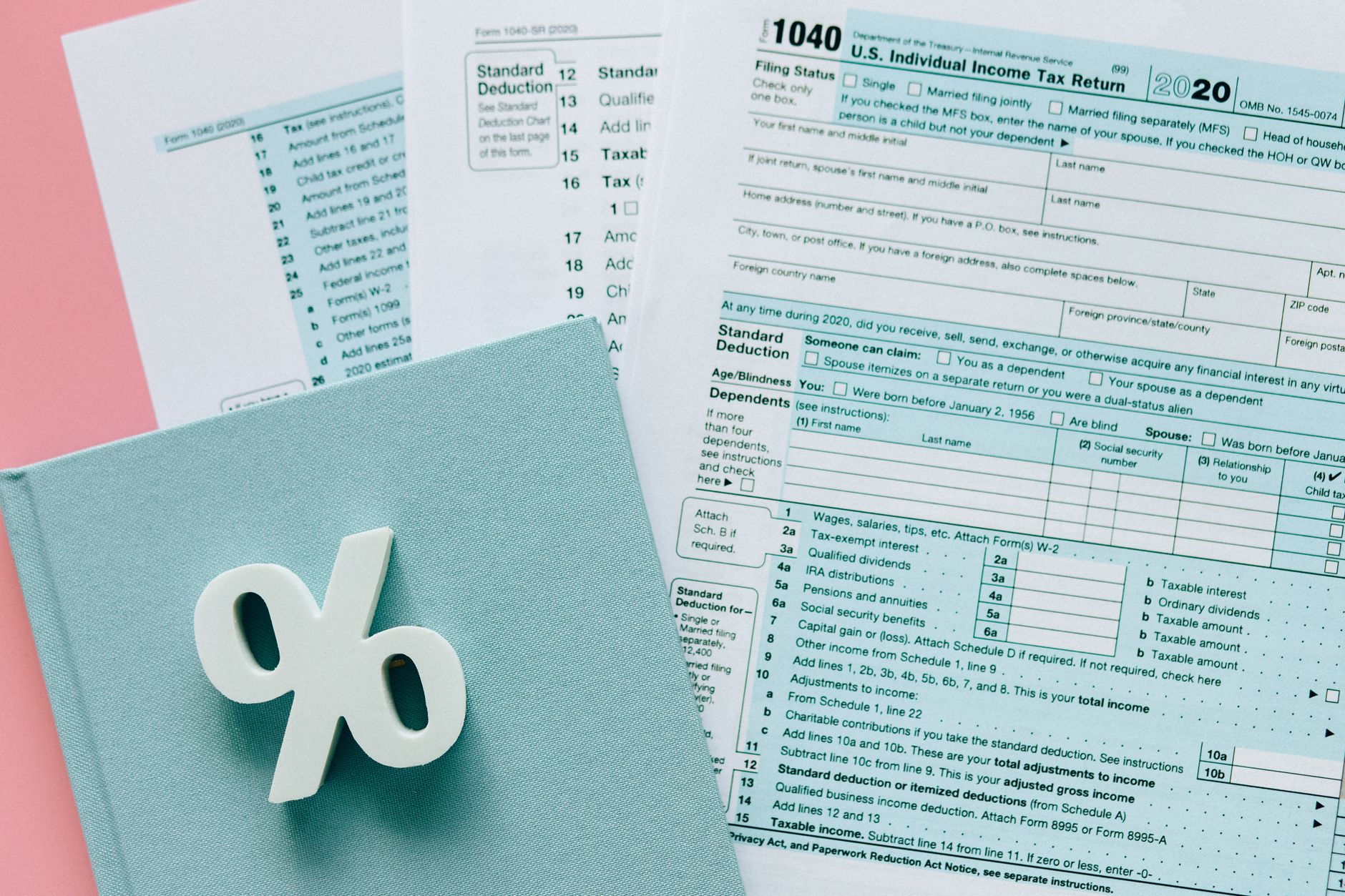
The r/sidehustle subreddit is buzzing with something unexpected this July—screenshots of tax refunds. After a brutal 2025 where gig workers got blindsided by quarterly payment penalties and shrinking deductions, 2026’s adjusted IRS brackets and refreshed home-office rules have created a genuine opportunity. The thread “Just saved $3,400 on my Instacart + Etsy taxes” hit 2,400 upvotes last week, and the comments reveal what accountants quietly know: most side hustlers hemorrhage money on deductions they never claim.
If you’re treating your side hustle like a hobby for tax purposes, you’re essentially donating to the IRS. Here’s how to stop.
The 2026 Rule Changes That Actually Matter for Side Hustlers
The IRS didn’t overhaul everything, but three 2026 adjustments specifically benefit gig workers and freelancers:
Standard mileage rate jumps to 70 cents per mile. That’s up from 67 cents in 2025, and for DoorDash drivers averaging 200 business miles weekly, that’s $7,280 in deductions alone. The key? You must log odometer readings contemporaneously—retroactive estimates trigger audits.
Home office simplified deduction cap increases to $1,650. The square footage multiplier ticked up, but more importantly, the IRS clarified that hybrid workers can claim exclusive-use spaces even if they have a W-2 job. Your Etsy shipping station in the garage? It counts if you never pay personal bills there.
Section 179 expensing for equipment rises to $1,350,000. This sounds enterprise-level, but it means that $2,800 camera rig for your YouTube channel or the $4,200 laser cutter for your Etsy shop can be fully deducted in year one instead of depreciating over five years.
The catch: these only help if you track them. The r/sidehustle community’s biggest regret? “I kept telling myself I’d organize receipts in December,” one user posted. “December became January, and I lost $1,800 in deductions.”
The “Hidden” Deductions r/sidehustle Users Are Stacking
Beyond the obvious—home office, mileage, equipment—the Reddit threads surface genuinely creative, fully legitimate write-offs most tax software never prompts you for:
Platform-specific education. That $299 course on TikTok Shop algorithms? Deductible if your side hustle sells there. The $49/month Canva Pro subscription? 100% if you design client assets. The standard: the expense must be “ordinary and necessary” for your specific income stream, not generic “improving yourself.”
Health insurance premiums above W-2 coverage. If your day job offers insurance but you opt for a marketplace plan to cover your family while freelancing, the self-employed health insurance deduction applies to the portion your employer doesn’t subsidize. One r/sidehustle user with a $68,000 W-2 salary and $34,000 consulting income saved $4,200 here by running the math instead of assuming disqualification.
Payment processing fees as above-the-line deductions. PayPal, Stripe, Square—their 2.9% + $0.30 cuts add up. For a freelancer grossing $50,000, that’s roughly $1,450 in fees. These reduce self-employment tax too, not just income tax, because they attach to Schedule C before reaching the SE calculation.
Partial cell phone and internet. The safe harbor is 50% business use, but aggressive trackers use actual call logs and data usage. One user documented 73% business use via screen time reports and claimed the full proportion—including the phone itself if purchased mid-year for the hustle.
Travel with mixed purpose. The “primarily business” rule means your conference in Austin with two days of sessions and one day of BBQ exploration is 67% deductible. Reddit’s pro tip: book the extra day at the conference hotel rate, not a cheaper Airbnb, to maintain the business nexus.
The 15-Minute Weekly System That Prevents Audit Panic
The deduction you can’t prove doesn’t exist. Here’s the r/sidehustle-vetted workflow:
Sunday ledger review (8 minutes). Screenshot all gig app earnings, screenshot all expense receipts, email both to a dedicated address. No categorization yet—just capture. The IRS accepts contemporaneous digital records; they reject “I think I spent about…”
Monthly mileage reconciliation (5 minutes). Use Stride, Everlance, or even Google Maps timeline exported to spreadsheet. Mark personal trips, sum the rest. The 2026 rate means every forgotten 10-mile supply run costs you $7 in deductions.
Quarterly estimated payment checkpoint (2 minutes). Not a deduction per se, but underpayment penalties in 2026 remain 8% annually—higher than most credit cards. The safe harbor: pay 100% of prior year tax or 90% of current year. Side hustlers with growing income often miss the second target.
The users reporting $3,000+ refunds aren’t doing anything exotic. They’re just not scrambling in April. As one commented: “My ‘system’ was a shoebox until 2024. My accountant charged me $800 to sort it. Now I spend 15 minutes weekly and file myself with FreeTaxUSA.”
When to Ignore Standard Advice and Hire Help
TurboTax Self-Employed handles straightforward 1099-NEC filings for $119. But the r/sidehustle consensus flags three scenarios where DIY costs more than professional help:
Multiple income streams with different character. Your W-2, two 1099-NECs, a K-1 from that real estate partnership, and crypto staking rewards create interaction effects no consumer software explains well. The $400-600 for a CPA who understands side hustle tax deductions 2026 specifics pays for itself in optimization.
State-specific complications. California’s AB5 still creates classification headaches. New York’s Pass-Through Entity Tax election can save self-employed individuals thousands—but requires proactive planning, not April filing. Texas has no income tax but hits gross receipts hard at certain thresholds.
Any year with equipment purchases over $5,000. The Section 179 vs. bonus depreciation vs. regular depreciation decision has multi-year implications. Reddit’s horror story: a user took full 179 on a $6,000 machine, then had a terrible 2026 and couldn’t generate taxable income to absorb the deduction. “Should have spread it,” they wrote. “Now I’m carrying forward a useless loss.”
The practical middle ground: hire a CPA for year-one setup, then replicate their structure in subsequent years unless your situation changes.
Your 2026 Action Plan: From Overlooked to Optimized
Side hustle tax deductions 2026 aren’t about finding loopholes—they’re about treating your gig like the business it legally is. The IRS doesn’t care that you “only” made $8,000 on Fiverr. They care whether you documented the $2,400 laptop that generated that income.
Start this week: one dedicated checking account, one mileage app, one Sunday night routine. By Q4, you’ll have the deduction trail that transforms tax season from a panic into a profit-center review. The r/sidehustle community’s most-upvoted tax comment this year? “I used to dread April. Now I look forward to seeing how much I kept from the government instead of the reverse.”
Your future self—the one with the $3,400 refund screenshot—will thank you.