
How to Sell Ebooks on Amazon KDP: The 2026 Blueprint for First-Time Authors
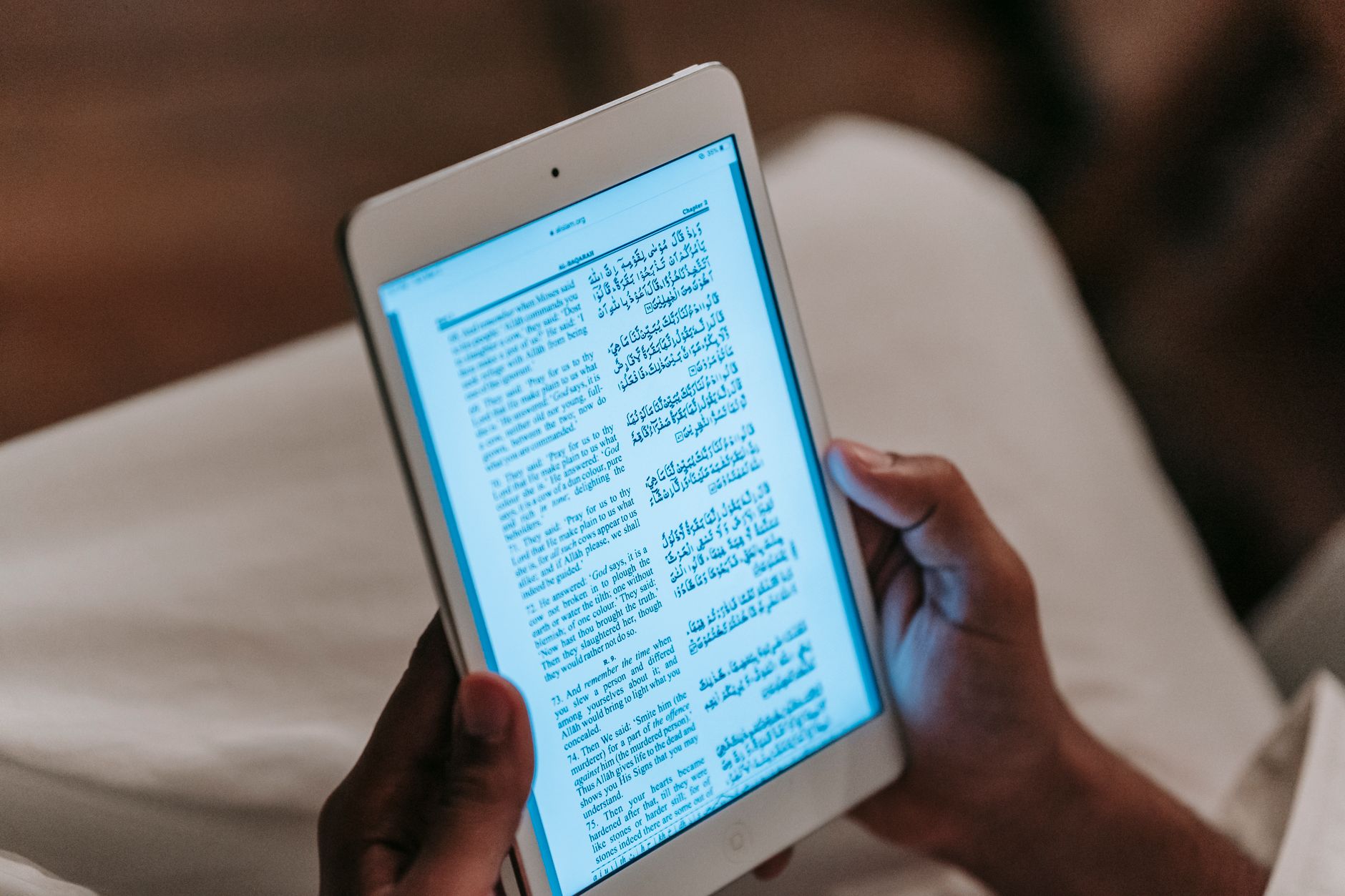
If you’ve been paying attention to the creator economy lately, you’ve noticed something interesting happening with digital publishing. While everyone’s scrambling to master AI video tools and chase TikTok trends, a quiet revolution is happening on Amazon’s Kindle Direct Publishing platform. Independent authors are pulling in four and five figures monthly, and the barrier to entry has never been lower.
Learning how to sell ebooks on Amazon KDP isn’t just about writing the next great American novel. It’s about tapping into a marketplace with over 300 million active customers who are already searching for solutions to their problems. Whether you’re looking to build a passive income stream or establish authority in your niche, KDP offers one of the most accessible paths to monetizing your knowledge.
Why Amazon KDP Dominates the Ebook Landscape in 2026
Amazon controls roughly 68% of the ebook market in the United States, and that dominance isn’t shrinking anytime soon. But here’s what makes 2026 different: the integration of AI-assisted formatting tools and enhanced royalty structures have made it easier than ever to compete with traditional publishers.
The platform operates on a simple premise. You upload your manuscript, cover, and metadata. Amazon handles the distribution, payment processing, and even the customer service. In exchange, they take a percentage of each sale.
The real opportunity lies in the numbers:
- 70% royalty option for books priced between $2.99 and $9.99
- 35% royalty option for books outside that range or in specific territories
- KDP Select enrollment offers additional promotional tools and access to Kindle Unlimited’s 3 million+ subscribers
Unlike physical products, there’s no inventory to manage, no shipping costs eating into your margins, and no minimum order quantities. Once your book is live, it can generate royalties while you sleep, travel, or work on your next project.
Setting Up Your KDP Account and Manuscript
Before you can start earning, you need to navigate the setup process correctly. Too many first-time authors rush this stage and end up with rejected files or poor formatting that tanks their reviews.
Account creation is straightforward:
- Visit kdp.amazon.com and sign in with your existing Amazon account or create a new one
- Complete your tax information (this is crucial—Amazon can’t pay you without it)
- Set up your payment method and royalty preferences
For your manuscript, formatting is everything. Amazon accepts several file formats, but EPUB is the gold standard for 2026. If you’re writing in Microsoft Word, use the Kindle Create tool (free from Amazon) to convert your document properly. This ensures your table of contents is clickable, your images render correctly, and your text flows properly across different device sizes.
Pro tip: Don’t overlook the “Look Inside” feature. Amazon allows potential buyers to preview the first 10% of your book. If your introduction is weak or your formatting looks amateurish on the preview, you’ve lost the sale before you even had a chance.
Pricing Strategies That Maximize Royalties
Pricing your ebook correctly is more psychology than math. Price it too low, and readers assume it’s low quality. Price it too high, and you price yourself out of impulse-buy territory.
The sweet spot for most nonfiction ebooks in 2026 is $4.99 to $7.99. This range keeps you in the 70% royalty bracket while signaling value to browsers. For fiction, especially if you’re a new author, $2.99 to $4.99 works better for building an initial reader base.
Consider these strategic approaches:
- Launch pricing: Start at $0.99 for the first week to drive initial sales velocity and reviews, then raise to your target price
- Series pricing: If you’re writing a series, price book one lower (or even free with KDP Select) to hook readers, then price subsequent books higher
- Genre norms: Romance and thriller readers expect lower prices ($3.99-$5.99), while business and technical books can command $9.99-$14.99
Remember that Amazon charges a delivery fee based on file size (usually $0.06 to $0.15 per download for text-heavy books). Keep your images compressed to maintain your margins.
Optimizing Your Book Listing for Discovery
You could write the most helpful book in your niche, but if nobody finds it, you won’t make a dime. Amazon is a search engine, and your book listing needs to be optimized accordingly.
Your title and subtitle are prime real estate. Include relevant keywords naturally. Instead of “Gardening Tips,” try “Container Gardening for Beginners: Grow Vegetables in Small Spaces.”
Your book description should follow this formula:
- Hook with a problem or question
- Agitate the pain point
- Present your book as the solution
- Include social proof (credentials, results, testimonials)
- Call to action
Backend keywords matter more than most authors realize. Amazon gives you seven keyword slots in your KDP dashboard. Use tools like Publisher Rocket or even Amazon’s own search bar autocomplete to find phrases people actually type. Don’t repeat words already in your title, and avoid quotes or subjective terms like “best” or “amazing.”
Categories are equally important. You can select two during setup, but you can email KDP support to add up to ten total. Choose less competitive subcategories where you have a realistic chance of hitting the top 100, which triggers Amazon’s recommendation algorithms.
Marketing Your Ebook Beyond the Amazon Ecosystem
While Amazon’s internal traffic is powerful, the authors earning $5,000+ per month treat their book launch like a product launch, not just an upload.
Build an email list before you publish. Even a small list of 200 engaged subscribers can generate enough initial sales velocity to trigger Amazon’s “also boughts” and recommendation engines. Offer a free chapter or related checklist in exchange for email signups.
Leverage these promotional channels:
- BookBub and similar promo sites: A featured deal can sell hundreds of copies in 48 hours
- Social media content: Share behind-the-scenes writing processes, excerpt graphics, and reader testimonials
- Guest podcasting: Appear on shows in your niche to discuss your book’s topic
- Amazon Ads: Start with automatic targeting campaigns at $5-$10 per day to gather data, then refine to manual targeting
The 30-day cliff is real. Amazon’s algorithm favors new releases. If you don’t generate sales momentum in your first month, your book gets buried. Plan your launch carefully, stacking promotions and outreach during that critical window.
Turning Your Ebook Into a Sustainable Income Stream
Learning how to sell ebooks on Amazon KDP successfully means thinking beyond the single book. The most profitable KDP authors treat each book as an entry point into a broader ecosystem.
Consider these expansion strategies:
- Create a series: Readers who enjoy one book will buy the next, increasing your customer lifetime value
- Bundle related titles: Once you have three or four books, create a box set at a discounted price
- Expand to paperback and hardcover: Use KDP’s print-on-demand service to capture readers who prefer physical books
- Foreign markets: Translate your bestsellers into German, Spanish, or Portuguese to tap into less saturated markets
Track your metrics obsessively. KDP’s dashboard shows you exactly where your sales come from, which pages readers stop on (in Kindle Unlimited), and which keywords drive traffic. Use this data to inform your next book topic.
The realistic timeline: Most successful KDP authors don’t see significant income until their third or fourth book. Treat this as a long-term asset-building strategy rather than a get-rich-quick scheme. Your first book teaches you the process. Your second book builds your audience. By your third, you’re optimizing for profit.
Start writing today. The barrier to entry is low, but the barrier to success is consistency and quality. Your future readers are already searching for what you know.