
How to Make Money with 3D Printing in 2026: The Small-Batch Manufacturing Playbook
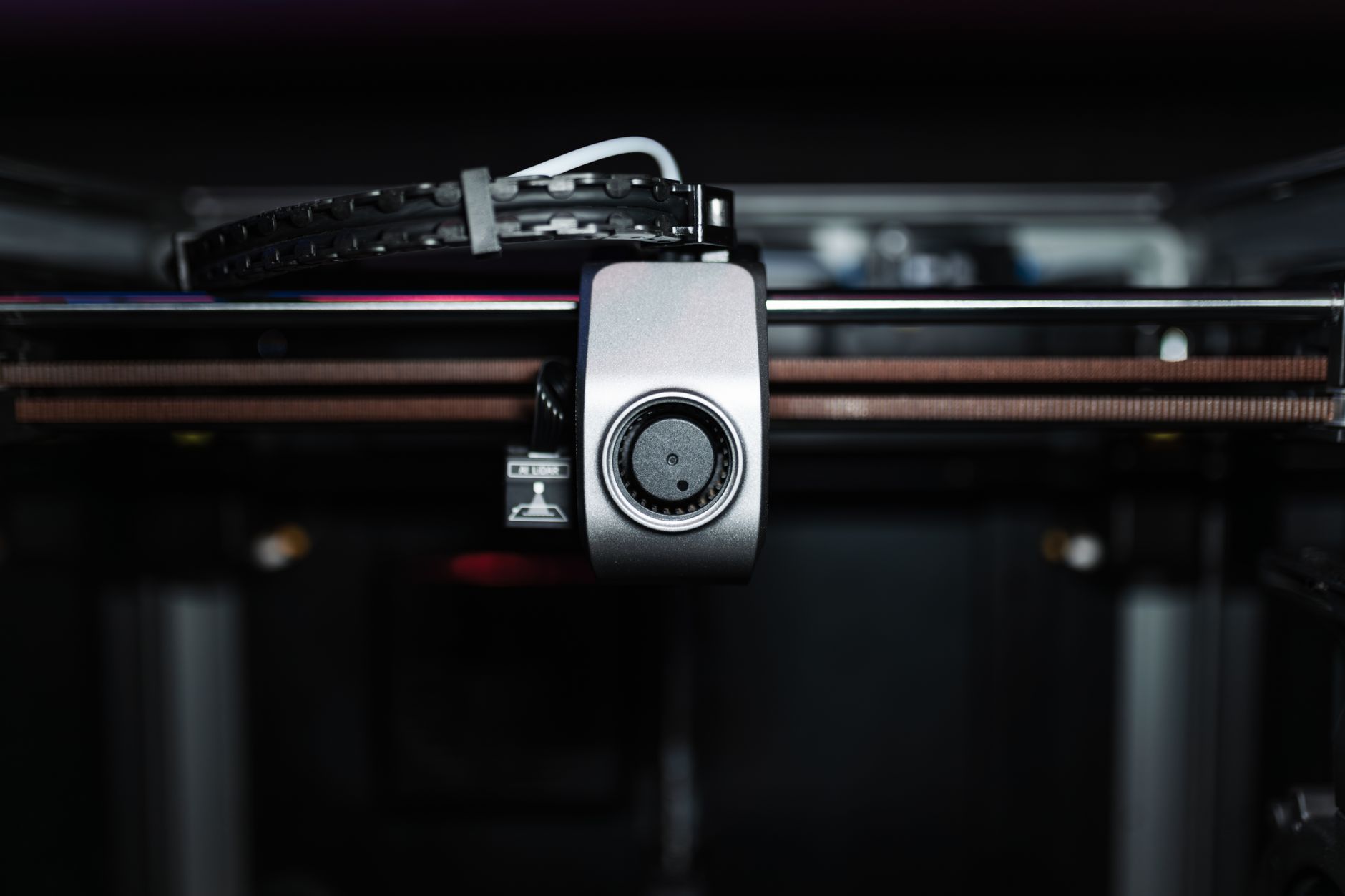
The desktop 3D printing landscape has shifted dramatically in 2026. With the release of sub-$300 multi-color printers and AI-assisted CAD tools that generate printable models from text prompts, the barrier to entry has collapsed. But here’s what most guides get wrong: they tell you to print generic phone stands and fidget toys, racing to the bottom on Etsy against overseas manufacturers.
If you want to know how to make money with 3d printing profitably this year, you need to abandon the “print trinkets” mindset. The real opportunity lies in small-batch manufacturing—positioning yourself as a rapid, local alternative to overseas injection molding for businesses that need 50 to 500 units, not 50,000.
This guide focuses on the underserved middle market: high-margin, low-volume production runs that traditional manufacturers ignore.
The 2026 Small-Batch Manufacturing Advantage
Traditional injection molding requires minimum order quantities (MOQs) of 5,000+ units and tooling costs exceeding $10,000. For startups testing product-market fit or established companies needing replacement parts for legacy equipment, that’s overkill.
Enter the “micro-factory” model. With a fleet of three to five reliable FDM or resin printers (total investment: $2,000-$4,000), you can deliver 200 custom brackets, enclosures, or jigs within 48 hours—something overseas suppliers can’t match on speed or flexibility.
The math works because you’re selling time-to-market, not just plastic. A local robotics startup needing 150 sensor mounts for a pilot program will pay $12-18 per unit for same-week delivery, even though the material cost is only $1.20. That’s an 85% margin for being the bridge between prototype and mass production.
Target industries currently underserved:
- Drone repair shops needing obsolete landing gear or camera mounts
- Dental labs requiring custom surgical guides (resin printers only)
- Escape rooms replacing broken proprietary puzzle mechanisms
- Cosmetic brands needing 300-unit limited edition packaging prototypes
B2B Rapid Prototyping Services (Beyond the Hobbyist)
Stop competing with teenagers printing Baby Yoda figures. Instead, market yourself as a “digital fabrication partner” to local engineering firms, architecture studios, and product designers.
In 2026, the winning strategy is subscription-based prototyping. Offer a monthly retainer—$400 to $800—that includes a set number of print hours and priority turnaround. This creates predictable revenue while your clients iterate on designs.
Actionable positioning:
- Create a simple portfolio showing functional parts, not decorative items: living hinges, snap-fit enclosures, threaded inserts
- List your services on LinkedIn and local business directories, not just Etsy
- Offer free file reviews; many clients have broken STL files that need repair before printing
A single mechanical engineering firm can generate $2,000+ monthly if you become their go-to for form-and-fit testing before they commit to expensive CNC machining.
High-Margin Niche Products (Not Commodities)
If you prefer selling products rather than services, avoid saturated markets like cookie cutters and articulated dragons. Instead, identify “replacement part deserts”—items where the original manufacturer discontinued support or charges exorbitant prices for simple plastic components.
Current profitable niches in late 2026:
- Vintage appliance parts: Knobs for 1990s stereo receivers, refrigerator crisper drawer supports, and blender couplers. These sell for $15-40 with 90% margins because the alternative is a $400 appliance replacement.
- Adaptive equipment: Custom grips for arthritis sufferers, wheelchair cup holders, and specialized tools for occupational therapy. These require slight customization, justifying $25-75 price points.
- Board game organizers: High-end inserts for games like Gloomhaven or Terraforming Mars. While the files are often free, you’re selling the 40 hours of print time and post-processing for $80-120.
The key is specificity. Don’t sell “plant pots.” Sell “self-watering inserts for 4-inch nursery pots that fit IKEA Socker series.” Specificity eliminates competition.
Selling Digital Files and Print Profiles
Once you’ve designed a profitable product, you can decouple your income from print time by selling the digital assets. In 2026, this has evolved beyond simple STL sales.
The “Print Profile” economy: With the dominance of Bambu Lab and Prusa ecosystems, users pay premium prices for tested, optimized 3MF files that include dialed-in settings for specific materials and printers. A well-tested profile for a complex mechanical part sells for $8-15, versus $3 for a raw STL.
Licensing to other printers: If you create a successful product, license the design to other print farm owners. Platforms like Patreon or specialized marketplaces allow you to sell commercial licenses ($50-200/month) that permit others to print and sell your design in their local markets. This creates passive income while expanding your reach without shipping logistics.
Design services: Use AI tools like Blender’s new Geometry Nodes AI or Shapr3D to offer custom modification services. Many customers find a “close enough” design on Printables but need one dimension changed. Charging $20-30 for 10 minutes of CAD work is pure profit.
Scaling with Print Farms and Automation
The ceiling for a single-printer side hustle is roughly $1,500/month. To break through, you need automation and fleet management.
The 2026 Print Farm Stack:
- Printers: 4-6 Bambu Lab A1 Minis or P1S units ($1,200-2,400 total) with automatic bed leveling and AI failure detection
- Software: OctoPrint or Bambu Studio’s farm management features to queue jobs remotely
- Post-processing: A simple UV curing station ($150) for resin parts and a vibratory tumbler ($200) for smoothing FDM parts
Operational reality: A 5-printer farm running 16 hours daily can generate $4,000-6,000/month in revenue, but expect 30% to go toward filament, electricity, replacement parts, and platform fees. The sweet spot is securing two or three recurring B2B clients who provide steady base load, then filling gaps with higher-margin consumer sales.
Critical scaling tip: Invest in filament dryers and storage. Humidity ruins prints and costs money. In 2026, smart filament storage systems that monitor humidity and automatically dry spools are non-negotiable for commercial operations.
Conclusion
Learning how to make money with 3d printing successfully in 2026 requires treating it as a manufacturing business, not a craft hobby. The winners this year are those who identified specific pain points—obsolete parts, rapid prototyping needs, or hyper-niche consumer products—and positioned themselves as reliable, local alternatives to overseas production.
Start with one printer and one B2B client. Validate that you can deliver consistent quality on deadline. Then scale horizontally by adding machines only when demand justifies the electricity and maintenance overhead. The technology has never been cheaper or more capable; the opportunity lies in your ability to solve specific problems faster than the global supply chain can react.